Heating Oil: Prices, Suppliers, and Guide | heating.help
If your home is heated with oil, you already know the annual ritual: watching the tank gauge, comparing per-gallon quotes, and bracing for winter price spikes. Whether you are shopping for a first delivery, switching suppliers, or troubleshooting a burner that just quit, this guide explains what heating oil actually is, what it costs in the US market, and how to buy it without overpaying.
What Is Heating Oil?
Heating oil is a refined petroleum distillate used in oil-fired furnaces and boilers, primarily in the Northeast and Mid-Atlantic states. It is delivered by tanker truck into a home’s storage tank and burned inside the heating appliance to produce hot air or hot water. Nationally, roughly 5–6 million US households rely on it, with New York, Pennsylvania, Massachusetts, Maine, and Connecticut accounting for the bulk of demand.
Types of Heating Oil
- No. 2 Heating Oil — The standard grade for home heating, governed by ASTM D396. It delivers about 138,500 BTU per gallon.
- No. 1 Heating Oil — A lighter, thinner blend with roughly 136,000 BTU per gallon and better cold-weather performance. Often blended into No. 2 during deep winter to prevent gelling.
- Ultra-Low Sulfur Heating Oil (ULSHO) — Contains 15 parts per million (ppm) or less of sulfur. Most Northeast states now mandate it by statute, which is why modern oil heat produces dramatically less soot than older equipment.
- Bioheat — Heating oil blended with renewable biodiesel (typically B5 to B20, meaning 5–20% bio content). It drops into existing systems without modification and is increasingly the default product in states like Massachusetts and New York.
Heating Oil Energy Content vs. Other Fuels
| Fuel | Energy Content | Cost per Million BTU (example) |
|---|---|---|
| No. 2 heating oil | 138,500 BTU/gal | $28.88 at $4.00/gal |
| Propane | 91,500 BTU/gal | $27.32 at $2.50/gal |
| Natural gas | ~1,037 BTU/cu ft (100,000 BTU/therm) | $12.00 at $1.20/therm |
| Electricity (resistance) | 3,412 BTU/kWh | $46.90 at $0.16/kWh |
| Electricity (heat pump, COP 3) | 3,412 BTU/kWh × 3 | $15.63 at $0.16/kWh |
Read the fine print: raw BTU per dollar is only half the story. A 95% AFUE boiler extracts far more usable heat from each gallon than an aging 78% unit, which is why equipment efficiency matters as much as the per-gallon price.
How Much Does Heating Oil Cost?
Heating oil is a commodity, so its price moves with crude oil markets, refinery capacity, seasonal demand, and regional logistics. In a typical recent year, US residential heating oil has traded in a range of roughly $3.50 to $4.75 per gallon, with Northeast prices often running $0.20–$0.50 above the national average and winter peaks occasionally pushing past $5.00.
Realistic budget figures for a US household:
- Full 275-gallon tank fill (about 250 usable gallons): $875–$1,200
- Minimum delivery (100–150 gallons): $350–$720
- Annual heating cost at 600 gallons: $2,100–$2,850
- Annual heating cost at 900 gallons: $3,150–$4,275
Prices swing week to week, so before you commit to a fill, check the latest current heating oil prices in your area to see whether you are buying into a spike or a dip. Requesting quotes from two or three local dealers on the same day is the single easiest way to save 20–40 cents per gallon.
What Drives the Price Up or Down?
- Crude oil and refining spreads — heating oil tracks the NYMEX distillate contract closely, often with a separate winter “crack spread” premium.
- Seasonality — prices typically bottom in late spring and climb from September through February.
- Delivery size — small deliveries cost more per gallon; ordering 150+ gallons usually unlocks the best tier.
- Payment terms — cash or automatic-pay pricing is often 5–15 cents cheaper than “will-call” credit accounts.
- Location — rural deliveries and long hose runs add cost; dense suburban routes are cheaper.
How to Find a Heating Oil Supplier
There are usually 5 to 20 licensed dealers within a 30-minute drive of any oil-heated home, and they are not all equal. Before you sign anything, find a reputable heating oil supplier who is licensed in your state, carries liability insurance, and has a documented complaint history you have actually checked.
What to Look For
- State licensing and registration — most Northeast states maintain a public dealer lookup.
- Delivery reliability — ask about average delivery windows during cold snaps, not in July.
- Service capability — a dealer that also employs licensed burner technicians can handle a no-heat call the same day.
- Transparent fees — confirm whether there are delivery, hazmat, or after-hours surcharges.
- Fuel quality — ask whether they deliver ULSHO or Bioheat and at what blend percentage.
Automatic Delivery vs. Will-Call
Automatic delivery uses degree-day forecasting and your usage history to top off the tank before you run low. It costs nothing extra and eliminates the risk of running dry — the most common cause of expensive emergency service calls.
Will-call means you monitor the gauge and order manually. It gives you maximum flexibility to shop prices each time, but it is riskier. Never let the tank drop below one-quarter full; sediment and sludge concentrate at the bottom and get pulled into the filter and nozzle.
Price Protection and Budget Plans
Most dealers offer three plan types:
- Fixed price — you lock a per-gallon rate for the season. Protects against spikes, but you lose if prices fall.
- Pre-buy — you pay upfront for a set number of gallons at a discount. Make sure the contract includes a cap and states what happens if the dealer fails to deliver.
- Budget plan — your annual cost is spread over 10–12 level monthly payments. No price protection, but predictable cash flow.
If you want to understand the market forces these contracts are priced against — and why dealers hedge their own exposure — read up on heating oil futures and how they affect your bill. A basic grasp of the NYMEX contract makes it much easier to judge whether a fixed-price offer is fair.
Heating Oil Equipment: Furnaces and Boilers
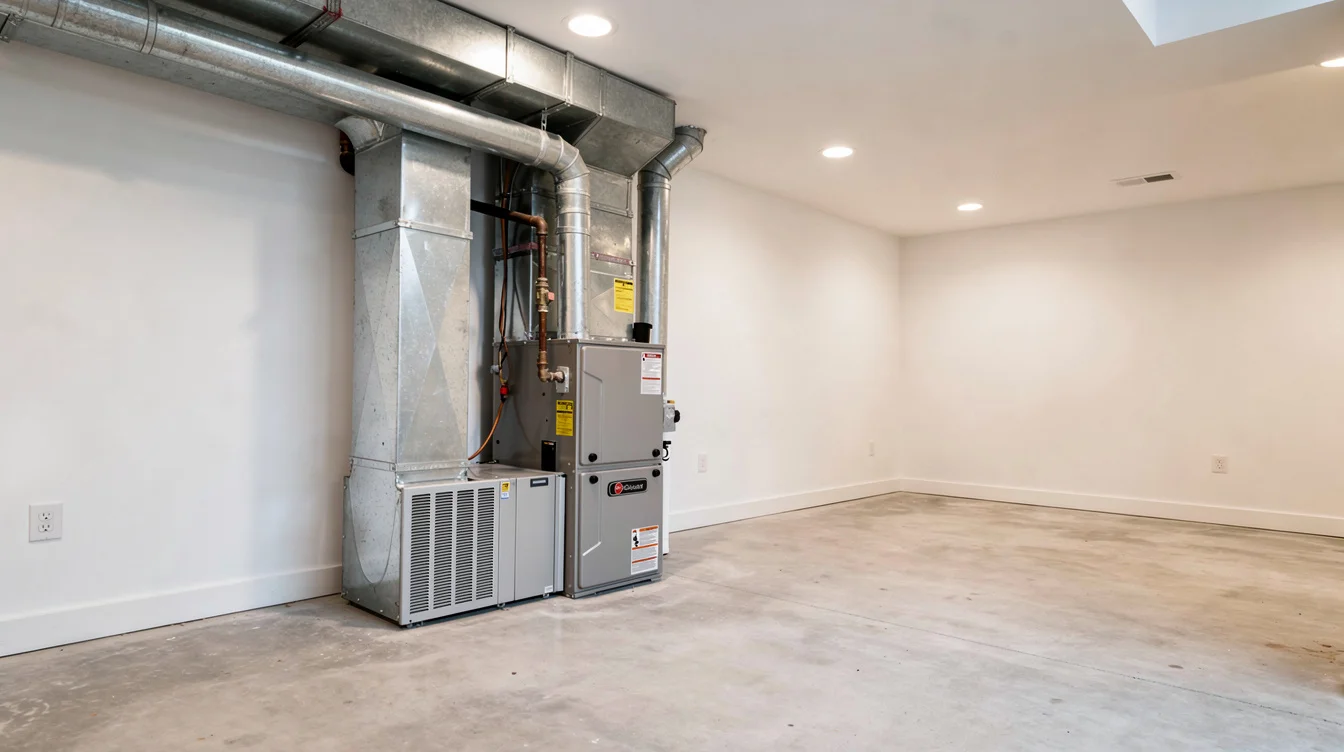
An oil-fired furnace heats air and distributes it through ductwork. An oil-fired boiler heats water for radiators, baseboards, or radiant floors. Both are rated by AFUE (Annual Fuel Utilization Efficiency) — the percentage of fuel energy converted into usable heat.
Efficiency Ratings and ENERGY STAR
- Older equipment: 70–80% AFUE
- Standard modern oil furnace: 80–85% AFUE
- ENERGY STAR certified oil furnace: 85% AFUE or higher
- ENERGY STAR certified oil boiler: 87% AFUE or higher
- Condensing oil boiler: 90–95% AFUE
Upgrading from a 78% system to a 90% condensing boiler can cut fuel use by roughly 13% — on a $2,500 annual oil bill, that is about $325 per year. Installation runs $6,000–$12,000 for a boiler and $4,000–$8,000 for a furnace, so the payback depends heavily on your current efficiency and local fuel prices. Federal 25C tax credits exist for high-efficiency equipment, but the AFUE thresholds are strict and most oil-fired models do not qualify — confirm current rules with a tax professional before counting on it.
Annual Maintenance
Budget $150–$300 for an annual tune-up. A technician should replace the nozzle and oil filter, clean the heat exchanger, test the electrodes, and perform a combustion analysis with a flue gas analyzer to verify proper CO₂, smoke, and stack temperature readings. Skipping tune-ups is the leading cause of soot buildup, elevated fuel consumption, and mid-winter breakdowns.
Oil Tank Basics
Most US homes have a 275-gallon steel tank (about 250 gallons usable), though 330, 500, and 1,000-gallon tanks are common. Tanks may be basement, garage, or outdoor above-ground, or buried underground.
- Lifespan: 15–30 years for steel above-ground tanks; buried tanks often fail earlier and are far costlier to remediate.
- Inspection: Look for rust, weeping seams, oil staining, and unstable legs. Many states require tank inspections at property transfer.
- Insurance: Standard homeowners policies often exclude pollution cleanup from a leaking tank. Ask your insurer specifically about oil tank liability coverage — remediation on a buried tank can exceed $50,000.
- Replacement cost: $1,500–$3,500 for an above-ground 275-gallon tank installed; indoor double-wall or Roth-style tanks run higher.
Troubleshooting Common Heating Oil Problems
The burner won’t fire. Check the thermostat, confirm the emergency shutoff switch is on, verify the tank has oil, and press the reset button once. If it does not fire within 30 seconds, stop — repeated resets flood the combustion chamber with oil and create a genuine safety hazard.
You ran out of oil. Refilling is only half the fix. The fuel pump will have drawn air, and the line must be bled before the burner restarts. Many companies include priming with delivery; others charge $75–$150.
The oil has gelled. No. 2 oil can thicken below roughly 15°F to 20°F in outdoor tanks and lines. Ask your dealer for a No. 1 blend or a cold-flow additive in January and February.
Soot, smoke, or a yellow flame. A properly tuned oil burner produces a clean, steady blue-white flame with a white or light-gray smoke test. Soot and smoke indicate incomplete combustion — shut it down and call a technician for a combustion analysis.
Oil smell in the house. Any persistent odor points to a leak — at a fitting, the filter housing, the tank, or the line. Wipe joints with a white rag and check back in 24 hours. Never ignore a fuel oil odor.
The tank gauge reads empty but you just ordered. Tank gauges stick. Use a dipstick to verify before paying for an emergency delivery.
Frequently Asked Questions
How much heating oil does the average home use per year?
Most homes in the Northeast and Mid-Atlantic burn between 500 and 800 gallons of No. 2 heating oil per season, depending on square footage, insulation, and climate zone. A tight, well-insulated 1,500-square-foot home in a moderate climate may use closer to 400 gallons, while an older 2,500-square-foot home in New England can exceed 1,000 gallons. Households with an oil-fired water heater should add roughly 150–250 gallons per year to that total.
Is heating oil the same as diesel fuel?
Chemically, No. 2 heating oil and on-road diesel are very similar, but heating oil is dyed red and carries no federal highway excise tax, making it illegal to run in an on-road vehicle. Modern ultra-low sulfur heating oil (15 ppm sulfur) is far cleaner than the heating oil sold two decades ago, and it also burns cleaner in furnaces and boilers.
What should I do if I run out of heating oil?
Turn off the burner at the emergency switch, order a delivery (many companies charge a same-day or emergency fee of $50–$150), and expect the technician to bleed air from the fuel line before restarting. Running dry can pull sludge and sediment into the filter and nozzle, so a filter change is often needed afterward. Setting up automatic delivery is the cheapest way to make sure it never happens again.
Conclusion
Heating oil remains a practical, efficient fuel for millions of US homes — especially in the Northeast, where the delivery infrastructure is mature and ultra-low sulfur and Bioheat blends are now standard. The key to controlling costs is straightforward: buy in the off-season when prices dip, order at least 150 gallons per delivery, compare local dealers on the same day, run the numbers on price protection before winter, and keep a 90%+ AFUE system with a documented annual tune-up. Protect your tank from leaks and your burner from sludge, and oil heat can be fully reliable for decades. Start by checking today’s per-gallon rates in your ZIP code, then lock in a supplier before the first cold snap hits.