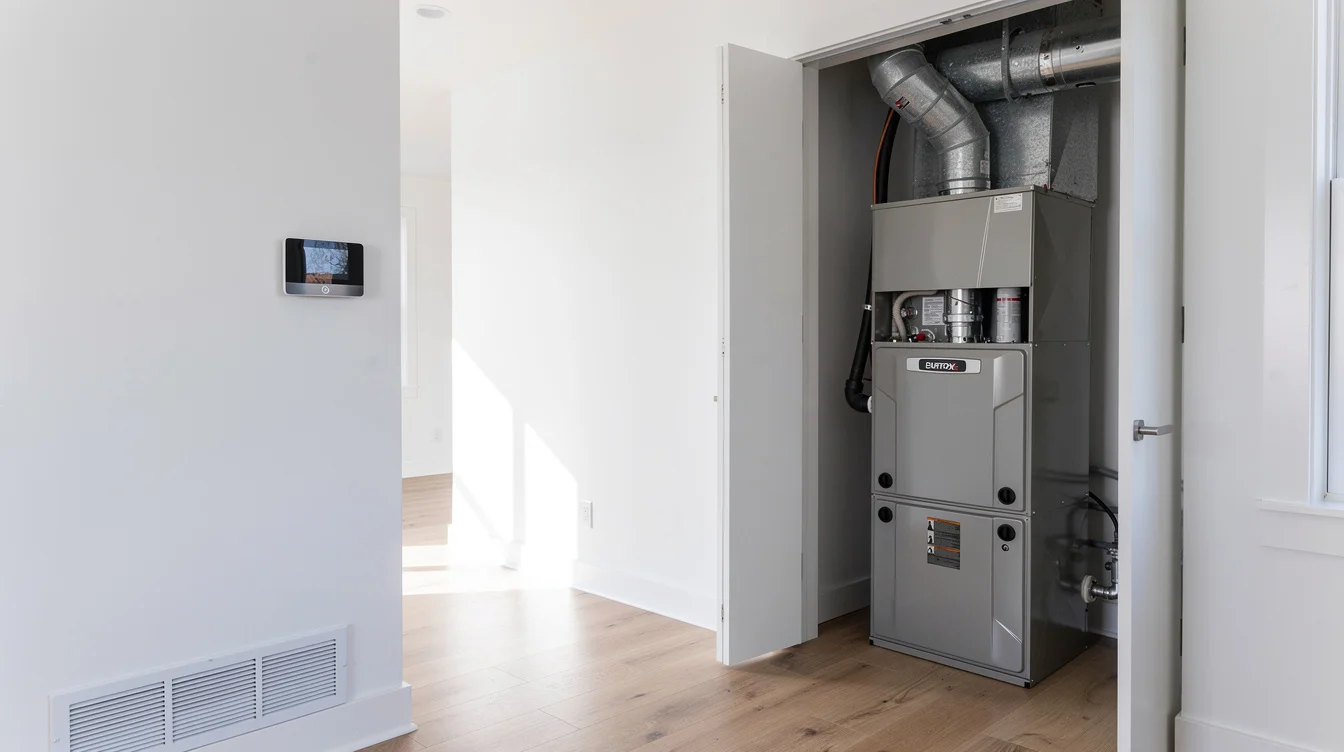
Current Home Heating Oil Prices Today | heating.help
If you heat with oil, the per-gallon price you see today directly determines whether your winter budget holds up or blows past it. Heating oil is a commodity, so the number moves almost daily with crude prices, refinery output, and regional demand — and it varies by hundreds of dollars a season depending on when and where you buy. This guide explains what heating oil costs right now, what’s actually driving the number, and how to tell whether your dealer’s quote is fair.
Heating Oil Prices Today at a Glance
Important: Heating oil is a traded commodity. The figures below are illustrative market ranges for the 2026–2027 heating season and are intended to show you how pricing works. Always confirm the live per-gallon rate with your local dealer — you can check current numbers on our home heating oil price tracker before you place an order.
| Region | Typical Price Range (per gallon) | Notes |
|---|---|---|
| New England (ME, NH, VT, MA, CT, RI) | $3.95 – $4.75 | Highest demand density; prices move fastest here |
| Mid-Atlantic (NY, NJ, PA, MD, DE) | $3.85 – $4.60 | Competitive dealer market, especially in PA and NJ |
| Midwest & South (OH, VA, NC, WV) | $3.75 – $4.50 | Fewer suppliers; delivery fees can run higher |
At roughly $4.10 per gallon, a typical 200-gallon fill-up costs about $820, and an average 700-gallon season lands near $2,870. That’s before any service contract, delivery fee (usually $0 to $50), or tank insurance.
What a Gallon of Heating Oil Actually Buys You
No. 2 heating oil contains about 138,500 BTU per gallon — one of the highest energy densities of any home heating fuel. Compare that to propane at roughly 91,500 BTU per gallon and you can see why heating oil delivers more heat per tank. Modern oil-fired equipment sold in the US is rated by AFUE (Annual Fuel Utilization Efficiency): a new ENERGY STAR–certified oil furnace runs 85%+ AFUE, and condensing oil boilers can reach the low 90s. An old unit from the 1980s may be running at 70%–78%, meaning nearly a quarter of every gallon you buy goes up the flue.
What Drives Heating Oil Prices Today
Understanding the mechanics helps you decide whether to buy now or wait a week.
1. Crude Oil and Refining Costs
Crude oil accounts for the majority of the per-gallon cost. Heating oil is a distillate refined alongside diesel, so when diesel demand spikes — freight, agriculture, winter storm prep — heating oil follows.
2. Seasonality and Weather
Prices bottom out in late spring and summer and climb from September through February. A cold forecast for the Northeast can move the spot market several cents in a single day.
3. Regional Inventory and Supply
The Northeast consumes about 80% of US residential heating oil, so regional terminal inventory matters more than national averages. Tight local supply plus a cold snap is the classic recipe for a price spike.
4. Delivery Method and Contract Type
- Will-call / COD: You pay the day-of price. Convenient, but you absorb every spike.
- Automatic delivery: The dealer schedules fills; you still pay market rate but rarely run out or pay for emergency deliveries.
- Pre-buy contract: You lock a fixed price for a set gallonage, paid upfront. Protects against spikes, but you lose if prices fall.
- Capped price: You pay a small premium — often $0.20 to $0.40 per gallon — for a ceiling price with downside protection.
5. Fuel Specification
Most US dealers now deliver ultra-low-sulfur heating oil (ULSHO), capped at 15 ppm sulfur under ASTM D396, often blended with 5%–20% biodiesel (B5–B20). Bioheat blends burn cleaner and reduce maintenance, and pricing is typically within a few cents of conventional No. 2 oil.
Heating Oil vs. Other Fuels: Cost per Million BTU
Raw price per gallon only tells part of the story. Here’s the delivered cost of 1,000,000 BTU of heat, adjusted for real-world efficiency:
| Fuel | Energy Content | Illustrative Price | Cost per 1M BTU (Delivered) |
|---|---|---|---|
| Heating oil (No. 2) | 138,500 BTU/gal | $4.10/gal @ 85% AFUE | ~$34.80 |
| Propane | 91,500 BTU/gal | $2.60/gal @ 90% AFUE | ~$31.60 |
| Natural gas | ~103,700 BTU/CCF | $1.35/therm @ 95% AFUE | ~$14.20 |
| Electric resistance | 3,412 BTU/kWh | $0.17/kWh | ~$49.80 |
| Air-source heat pump | 3,412 BTU/kWh | $0.17/kWh @ COP 3.0 | ~$16.60 |
Heating oil is generally more economical than propane per delivered BTU and far cheaper than electric resistance baseboard — but natural gas and modern heat pumps beat it on pure operating cost. That’s why many homeowners in the heating oil category compare upgrade options before committing to another full season.
How to Get an Accurate Price for Your Address
- Call three local dealers. Prices can differ by 30–50 cents per gallon within the same zip code.
- Ask about the minimum delivery. Many dealers require 100–150 gallons; below that, per-gallon pricing rises sharply.
- Confirm the delivery fee and whether it’s waived above a certain volume.
- Check contract terms — look for the cap fee, the gallonage floor, and any service-plan bundling.
- Verify the fuel type (ULSHO, B5/B20) and ask about tank inspection requirements for older tanks.
Practical Ways to Lower Your Heating Oil Bill
- Buy in the off-season. Summer fills are frequently 20–40 cents per gallon cheaper.
- Schedule an annual tune-up. A clean burner, new nozzle, and correct electrode gap typically recover 3%–5% efficiency — a $150–$250 service that often pays for itself in one season.
- Set back your thermostat 7°–10°F for 8 hours daily. ENERGY STAR estimates roughly 8% annual savings on heating.
- Air-seal and insulate first. Attic and rim-joist air sealing is usually cheaper per BTU saved than any equipment upgrade.
- Upgrade aging equipment. Replacing a 75% AFUE boiler with a 90%+ condensing unit cuts fuel use by roughly 15%–17%.
- Stack incentives. Federal and state programs — including income-qualified electrification rebates and state oil-to-heat-pump conversions — can offset a significant share of an upgrade. See our guide to heating oil rebates and financial assistance programs for current offerings and LIHEAP eligibility.
Frequently Asked Questions
Why are heating oil prices today higher than they were a few months ago? Heating oil prices are seasonal. They typically bottom out between June and August and climb through fall as Northeast inventories are drawn down ahead of winter. Cold forecasts, refinery maintenance, and higher crude prices can each add several cents per gallon in a matter of days.
Is it cheaper to buy heating oil in the summer? Usually, yes. Off-season pricing commonly runs 20 to 40 cents per gallon below peak-winter rates, and many dealers offer summer pre-buy or capped-price contracts. Locking 500 gallons in July at $3.85 instead of paying $4.35 in January saves about $250.
How many gallons of heating oil does the average home use each year? Most oil-heated homes in the Northeast burn 500 to 1,000 gallons per season, averaging near 700. At about $4.10 per gallon, that’s roughly $2,870 annually. Remember that a standard 275-gallon tank only holds about 225 gallons when filled to the recommended 80% level.
Conclusion
Heating oil prices today are a moving target, but the mechanics behind them are predictable: crude costs, Northeast inventory, seasonal demand, and the contract type you choose. Expect most homeowners to pay somewhere between $3.75 and $4.75 per gallon this season, with a typical 700-gallon year landing near $2,870 — and expect that figure to swing with every cold front and refinery headline. The practical playbook is straightforward: check live local pricing before you order, compare at least three dealers, buy in the off-season when you can, keep your burner tuned to protect every BTU you’ve paid for, and evaluate whether a high-efficiency upgrade or available rebate could cut your annual gallons for good. Do those five things and a volatile commodity market becomes a manageable line item instead of a winter surprise.